Introduction
The cooking world has actually always been a canvas for imagination, yet there’s a new active ingredient that’s taking the limelight: THCA blossom. As interest in marijuana remains to expand, many people are discovering the health advantages associated with its non-psychoactive element, THCA (Tetrahydrocannabinolic Acid). Unlike THC, which is known for its psychedelic impacts, THCA provides a myriad of health advantages without altering your state of mind. In this post, we’ll dive deep into cooking with THCA flower, exploring its benefits, negative effects, dosage recommendations, and delicious recipes you can attempt at home.
What is THCA?
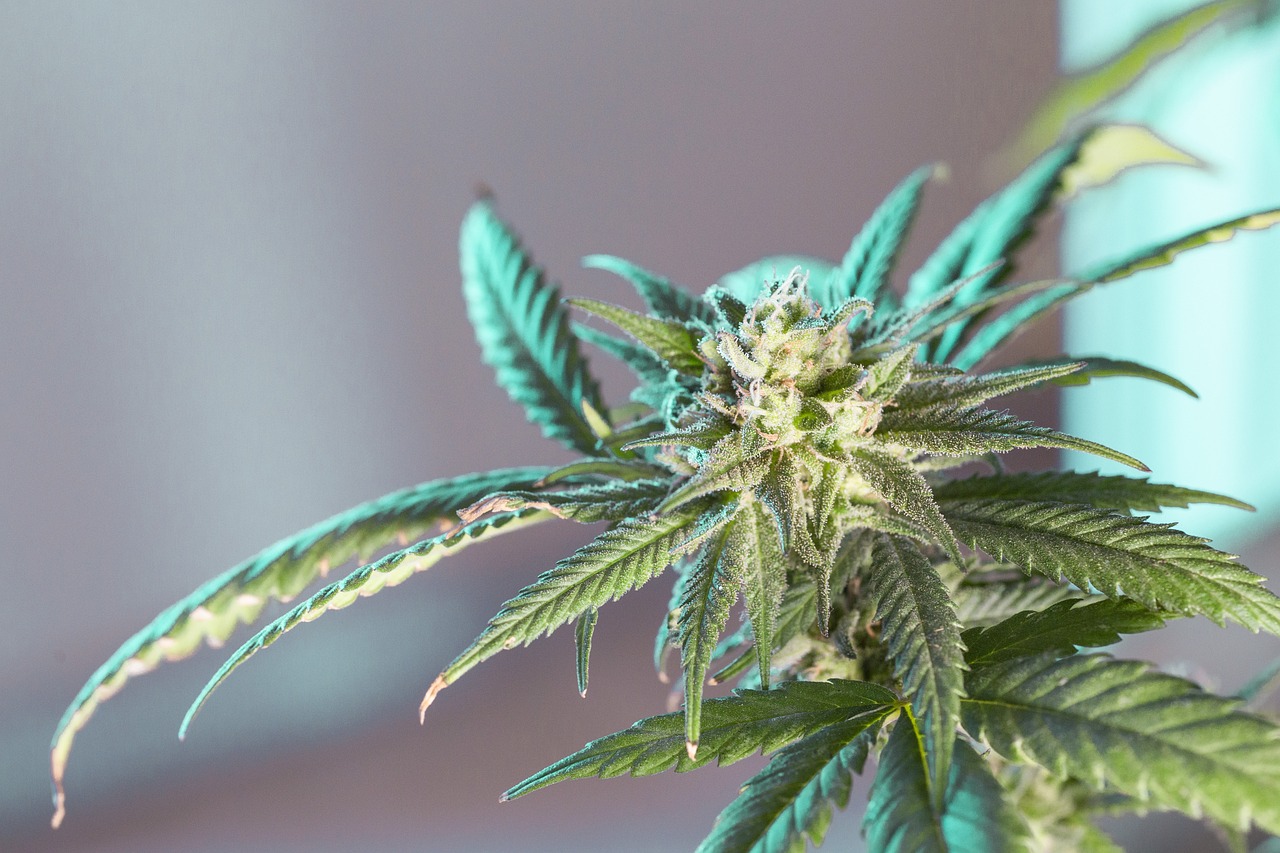
THCA is the acidic forerunner to THC discovered in raw marijuana plants. Prior to cannabis is heated up or decarboxylated (a process that turns on THC), it exists in this non-psychoactive form. When consumed in its raw state– such as via salads or juices– THCA preserves its healthful properties while offering a calming experience without intoxication.
How Does THCA Differ from THC?
Understanding the distinction between THCA and THC is essential for any individual thinking about cannabis cuisine. While THC binds directly to cannabinoid receptors in the mind and generates psychedelic effects, THCA does not interact with these receptors in the same way. Rather, it offers prospective anti-inflammatory and neuroprotective properties.
The Advantages of THCA Flower
When considering whether to integrate THCA flower into your diet plan, it’s essential to comprehend its advantages:
1. Anti-Inflammatory Properties
Many individuals report relief from inflammation-related problems when eating THCA. By connecting with the body’s endocannabinoid system, it might help in reducing signs related to arthritis or various other inflammatory diseases.
2. Neuroprotective Effects
Research suggests that THCA could possibly safeguard versus neurodegenerative conditions like Alzheimer’s and Parkinson’s by minimizing oxidative tension and inflammation.
3. Nausea Relief
For those undertaking treatments such as radiation treatment, THCA might use relief from nausea without the psychedelic adverse effects often associated with THC.
4. Appetite Stimulation
Unlike a few other cannabinoids that might suppress cravings, users have actually reported an increase in hunger when consuming foods abundant in THCA.
5. Discomfort Management
While everybody’s experience varies, several people declare that incorporating THCA into their dishes aids minimize persistent pain.
Possible Negative effects of THCA
As with any type of material introduced into your diet regimen, recognizing feasible negative effects is important:
1. Moderate Gastrointestinal Issues
Some customers may experience mild gastrointestinal discomfort after consuming raw marijuana products high in THCA.
2. Allergic Reactions
Though uncommon, some people might have allergies to marijuana flowers consisting of itching or rashes.
3. Interaction with Other Medications
If you’re currently taking drugs or have underlying wellness conditions, consult a health care professional prior to introducing THCA right into your routine.
Finding the Right Dose of THCA Flower
One vital concern emerges: “What is the appropriate dose of THCA flower?”
It’s crucial to begin little and gradually boost your consumption while carefully monitoring exactly how your body reacts.
General Standards for Dosage:
- Beginners: Begin with 5-10mg of raw (unheated) cannabis.
- Intermediate Customers: Boost to 10-15mg based on individual tolerance.
- Experienced Users: Consider doses of 20mg or even more if comfortable.
Remember that every person’s body responds differently!
Cooking with THCA Flower: Recipes for Wellness and Wellness
Cooking with THCA flower can be an exciting means to enhance your dishes while reaping wellness advantages! Right here are a couple of tasty dishes you can begin experimenting with in your home:
Recipe 1: Fresh Marijuana Salad
Ingredients:
- 1 cup fresh salad greens
- 1/2 cup sliced tomatoes
- 1/4 mug shredded carrots
- 1/2 avocado
- 1/ 4 mug finely sliced fresh basil
- 1 tbsp olive oil
- Juice from half a lemon
- Salt & pepper to taste
Instructions:
This salad offers revitalizing tastes along with the restorative advantages of fresh cannabis!
Recipe 2: Raw Marijuana Smoothie
Ingredients:
- 1 banana
- 1 cup spinach
- 1/ 2 cup frozen berries(any kind)
- 1/ 4 avocado
- 1 tbsp honey(optional)
- Handful of fresh raw marijuana leaves
Instructions:
Enjoy this nutrient-dense smoothie mix packed loaded with antioxidants!
Incorporating Cooking with THCA Flower right into Your Diet
As you dig deeper into cooking with thca blossom dishes for health and wellness, maintain these suggestions helpful:
– Trial and error is Key
Don’t hesitate to experiment! Attempt including small amounts Indica dominant of raw thca flower right into numerous meals– from soups to shakes– to find what works best for you.
– Pairing Flavors
THC-infused meals can be unbelievably flexible; take into consideration pairing them with corresponding flavors such as citrus or garlic to improve preference accounts while optimizing health benefits.
FAQs concerning Cooking with THCA Flower
Q1: Can I prepare thca flower? A: Yes! However, stay clear of home heating it beyond certain temperatures as high warm will convert thca into thc– modifying its properties!
Q2: Exactly how do I store thca flowers? A: Store them in an impermeable container far from light in a great place to keep potency.
Q3: Is thca legal? A: The legitimacy varies by area; check local legislations regarding cannabis use prior to acquiring or cooking!
Q4: Can I locate pre-prepared thca products? A: Yes! Some dispensaries bring raw thca oils or tinctures which can likewise be made use of artistically in cooking.
Q5: What need to I watch out for when acquiring thca flower? A: Search for reliable resources that provide lab-tested items making sure high quality and safety standards are met.
Q6: Are there any dietary limitations when making use of thca flowers? A: Normally secure but always get in touch with healthcare experts if you have certain allergies or conditions!
Conclusion
“Cooking with THCA Flower: Recipes for Wellness and Wellness” opens a globe of opportunities not only for culinary fanatics yet also those looking for natural treatments via food! By utilizing the one-of-a-kind homes of THC‘s non-intoxicating counterpart– THC— you can create nourishing meals that promote well-being without modifying your mental state.
Whether it’s whipping up a vivid salad or mixing with each other a rejuvenating smoothie instilled with THC, these recipes welcome you on an adventure in the direction of better wellness via innovative cooking methods targeted at health! So why wait? Dive right into this environment-friendly cooking trip today!