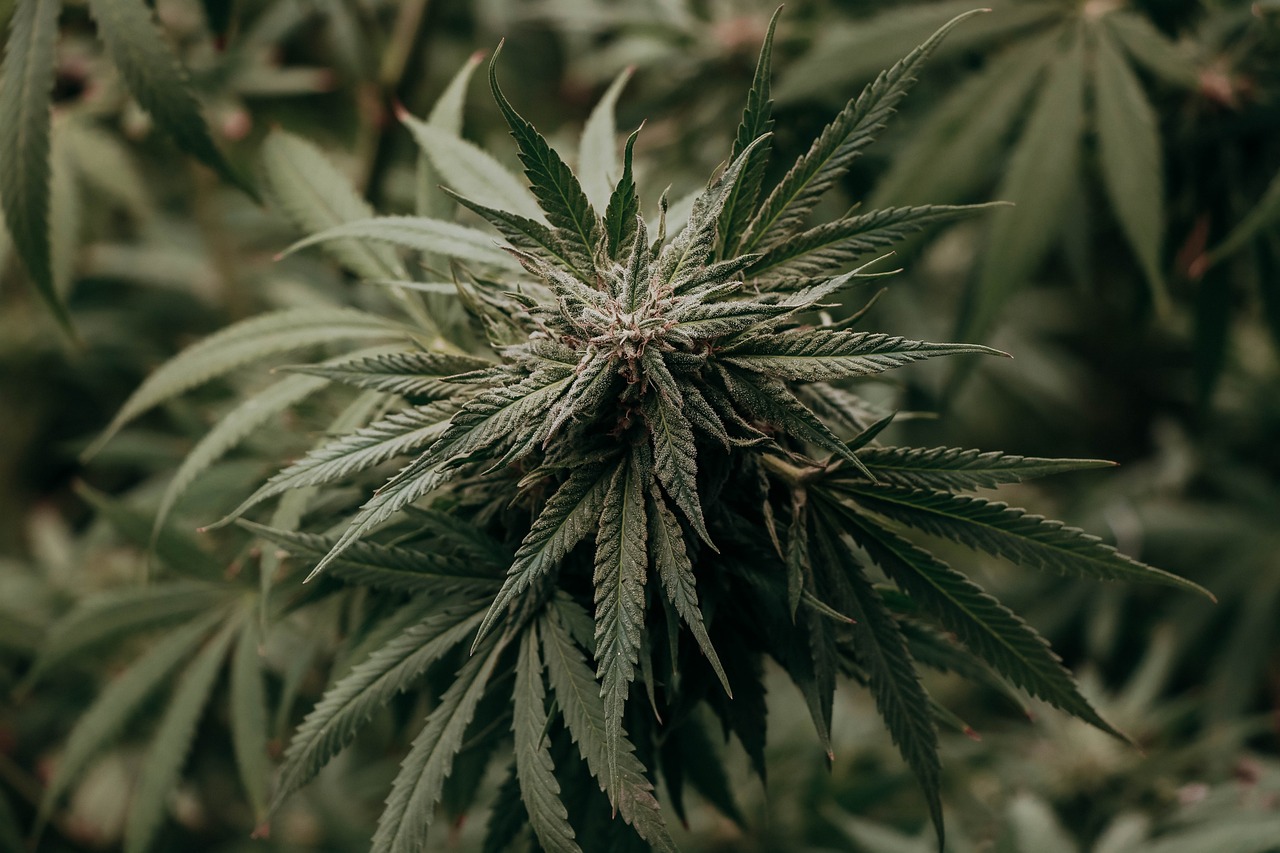
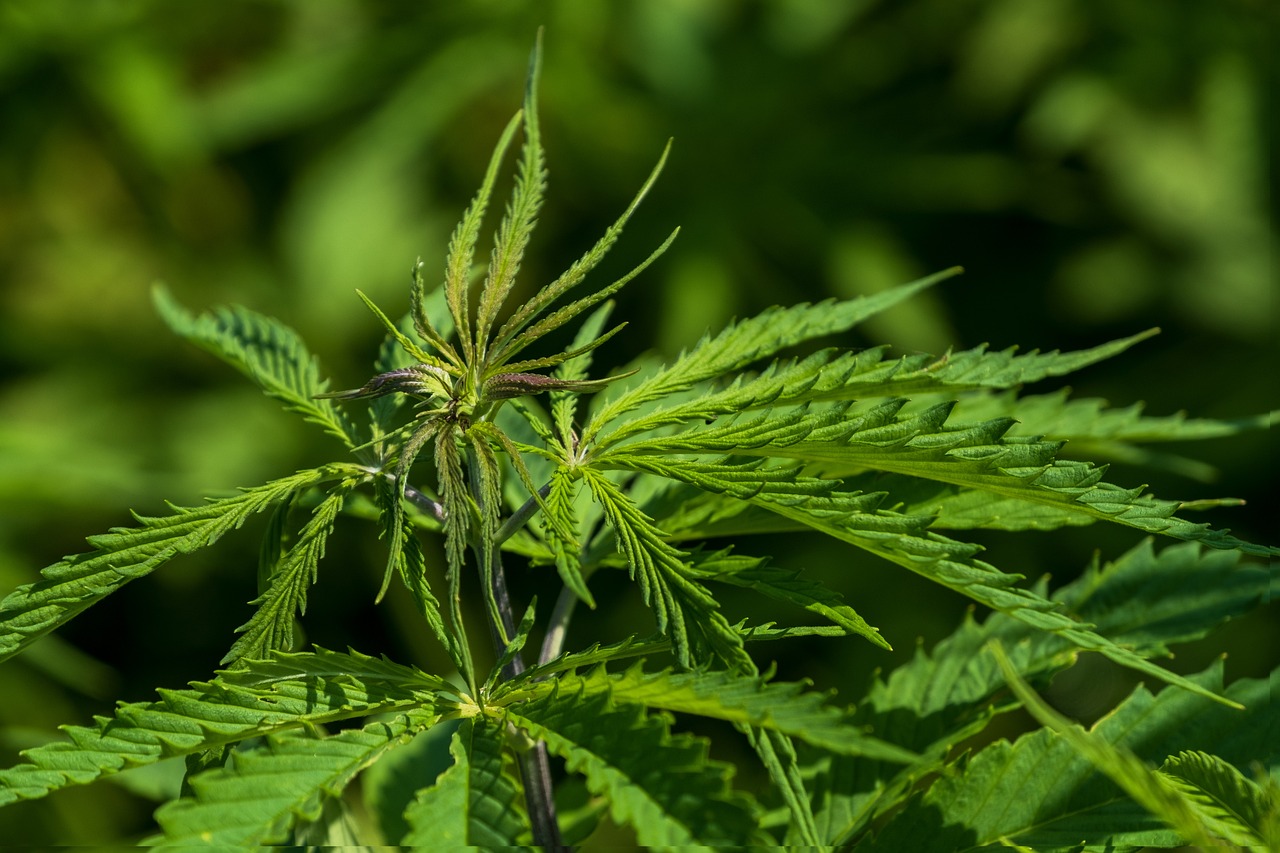
THCA flower rests at the crossroads of cannabis society, hemp legislation, and chemistry. It is marketed in containers that look tantamount from typical cannabis, yet marketed as certified hemp. Consumers hear that it is non-intoxicating, then find it can feel significantly like THC. Sellers proclaim legal technicalities and lab numbers without explaining what those numbers really mean. Regulators are capturing up, often securing down, sometimes looking the other way. In other words, complication thrives.
I have spent years collaborating with cultivators, laboratory analysts, and plan groups, and I have seen the very same myths persist. They cause frustration, bad purchasing choices, and sometimes lawful difficulty. Allow’s go through the most typical misunderstandings about THCA flower and replace them with realities you can use.
What THCA Blossom Actually Is
THCA means tetrahydrocannabinolic acid. It is the all-natural forerunner to THC located in raw cannabis. In freshly harvested blossom, the majority of the “THC” stays as THCA. When you use warmth, THCA decarboxylates. The carboxyl team (the “A”) hands over as carbon dioxide, and you obtain delta-9 THC, the molecule that binds to CB1 receptors and produces the traditional high.
THCA blossom is just cannabis flower that tests high in THCA and very reduced in measured delta-9 THC at the time of conformity screening. In particular jurisdictions, hemp remains legal as long as delta-9 THC does not exceed a details limit by dry weight, typically 0.3 percent. Since lab examinations commonly measure THCA and delta-9 independently, and laws historically focused on delta-9 alone, a retail specific niche emerged: sell high-THCA blossom that practically passes a delta-9 limitation, then depend on decarboxylation throughout usage to produce the acquainted experience.
This is the heart of both the charm and the debate. The molecule is real. So are the laboratory examinations. The void hinges on just how legislations specify THC and exactly how real-world usage transforms THCA to delta-9.
Myth 1: THCA Blossom Can not Obtain You High
The most prevalent myth goes something similar to this: THCA is not psychoactive, therefore THCA blossom is non-intoxicating. The very first clause is practically real in a slim feeling. THCA itself has weak fondness for CB1 receptors, so if you ingest it raw and keep it raw, you must not experience the normal THC high. That is why some people juice raw marijuana leaves, aiming for cannabinoid acids without intoxication.
The 2nd condition falls apart due to the fact that practically no one eats THCA flower raw. If you smoke or vape the flower, warmth drives decarboxylation. Within seconds, THCA converts to delta-9 THC. Even if the burning or vaporization is not one hundred percent effective, a substantial portion converts. Anticipate a THC-like experience proportional to the prospective THC present in the flower.
I have satisfied clients that got THCA blossom under the perception it was like CBD: soothing, non-intoxicating, secure to use prior to job. After a couple of smokes they were amazed, in some cases uncomfortably so. If your plan is to remain clear headed, make use of non-decarbed layouts like raw casts or juices, or pick CBD or minor cannabinoids. If you light it or warmth it, deal with THCA blossom as you would typical THC cannabis.
Myth 2: THCA Flower Is Legal Everywhere
Retail marketing typically leans on a case that THCA blossom is lawful across the country due to the fact that the delta-9 THC on a compliance report sits under 0.3 percent. Legal fact is extra nuanced. Below are the moving parts.
Some jurisdictions specify hemp and marijuana by delta-9 THC alone. If a sample consists of less than the limit delta-9 by dry weight, it passes. If that is the letter of the law, THCA-heavy flower might appear compliant at the factor of screening. However, various other territories, and many enforcement firms, evaluate overall THC, which is a formula that represents the conversion of THCA to delta-9 with decarboxylation. The usual overall THC calculation is delta-9 THC plus 0.877 times THCA. If the overall surpasses the legal threshold, the product is dealt with as marijuana.
Within the United States, state legislations vary and are altering. Some states explicitly ban THCA blossom or treat it as cannabis. Others endure it but inspect marketing and labeling. A couple of jurisdictions have actually upgraded meanings to concentrate on intoxicating possible instead of simply delta-9 at test time. Include in that government interstate business regulations, delivering carrier plans, and neighborhood enforcement discernment, and you have a patchwork that resists straightforward answers.
If you prepare to purchase or market thca flower, do not depend on a common “Ranch Bill compliant” banner. Check your state’s statute and any support memos from farming or health and wellness departments. Request a present certificate of analysis that shows both delta-9 and THCA, and see exactly how the laboratory states compliance. Be gotten ready for changes. Numerous states have moved from permissive to restrictive stances within a season.
Myth 3: All THCA Flower Is the Same
It looks the very same in a jar, however top quality varies widely. Growing techniques, drying out and curing, storage, and post-processing all leave fingerprints on scent, moisture web content, cannabinoid structure, and safety.
I have evaluated containers that scented like hay and tasted severe, likely rushed via drying. Others featured rich terpene accounts and a tidy burn, on par with costs dispensary blossom. The distinction boiled down to the cultivator’s discipline and whether the producer really cultivates for high quality or merely for laboratory numbers.
Two factors issue for consumers:
First, terpenes and small cannabinoids form the experience. Limonene ahead blossom often tends to feel brighter. Myrcene heavy profiles can really feel a lot more sedating. Caryophyllene might modulate anxious edges for some individuals. 2 jars with similar THCA percentages can really feel different in practice.
Second, contamination dangers linger. Badly cured or improperly stored flower can nurture mold and mildew. Outdoor crops near roads may capture heavy metals. Dishonest vendors may spray or “infuse” flower with distillates or flavorings to pump up strength or fragrance. Constantly validate that the lab report covers more than cannabinoids: look for recurring solvent screening, heavy metals, microbials, and mycotoxins.
Myth 4: A High THCA Portion Warranties Solid Effects
Potency tags drive sales. A 28 percent THCA tag commands focus while a 17 percent container obtains overlooked. The truth is less direct. Viewed strength relies on dose, distribution efficiency, terpene harmony, and personal tolerance.
In combustion or vaping, not all THCA converts, and not all converted THC reaches your blood stream. Some section is lost to side stream smoke, incomplete vaporization, and thermal destruction. At the same time, a well balanced terpene account can make a 20 percent container feel vivid, while a flat terpene account can leave a 28 percent jar sensation candid and one note.
There is likewise the resistance catch. People who make use of high strength items daily often report diminishing returns and a slim window of relief. If you chase higher and higher portions, you might be attempting to get rid of tolerance as opposed to substandard item. Regular tolerance breaks and dosage discipline go farther than a two point jump on a label.
When I assist new purchasers, I ask about the target effect and context. Need a clear, functional lift? A mid 20s THCA flower with limonene and pinene often executes far better than a hefty player with sedating terpenes. Seeking deep night leisure? Myrcene dominant flower in the high teens to low 20s can do the job without tipping into next day grogginess.
Myth 5: THCA Tests Inform You Every Little Thing You Required to Know
A certification of evaluation is a starting factor, not the entire tale. Numbers can be exact yet incomplete, and sometimes they are not also accurate.
https://sites.google.com/view/affordablehempfloweronlinedeal/home
Sampling matters. A large batch may have locations. If the lab gets a cherry picked example from thick, resinous tops, results can overstate the set standard. Proper, arbitrary sampling and homogenization decrease the risk, but not all supply chains follow ideal practices.
Methodology issues too. Labs use various extraction solvents, calibration criteria, and chromatographic conditions. 2 trusted labs can produce a little different arise from the exact same example. If you see double digit swings in between laboratories, be cautious.
Finally, the certification requires extent. A cannabinoid panel informs you THCA and delta-9 THC. It does not inform you whether the flower is free from aspergillus or whether it contains a spike of lead. Seek a full-panel COA that consists of:
- Cannabinoids with both THCA and delta-9 THC reported, and overall THC calculated.
- Residual solvents, also if none were utilized, to flag feasible post-processing.
- Microbial and mycotoxin displays that include common pathogens.
- Heavy metals like lead, cadmium, arsenic, and mercury.
- Pesticide deposits, particularly in exterior or high-yield interior crops.
When a seller can not create this, consider it a red flag.
Myth 6: THCA Flower Is Constantly “Hemp”
Labels usually read “hemp blossom” for lawful convenience. Botanically, the plant is Marijuana sativa L., regardless of the lawful category. The hemp classification is a legal classification linked to THC thresholds. A cultivar reproduced and expanded to produce high THCA is functionally the same as marijuana-type cannabis once you decarb it.
From a user perspective, calling it hemp can produce false expectations. People knowledgeable about CBD-rich hemp expect tranquility without impairment. If they get a container marked hemp and treat it like CBD, they could dosage in settings that require full focus. In real life, a warmed THCA blossom session is analogous to a basic THC session. Plan as necessary for driving, workplace policies, and responsibilities.
From a farming point of view, high THCA cultivars grown under hemp registration can put farmers in danger if total THC testing is embraced mid-season or if late flowering pushes overall THC over the limit in the area. Numerous growers I understand currently evaluate weekly in late flower to avoid shock hot crops. Some switch to collect earlier than optimal to continue to be compliant, trading aroma and yield for lawful safety.
Myth 7: THCA Flower Will Not Program Up on a Drug Test
Standard work environment and probation tests display for THC metabolites, specifically 11-nor-9-carboxy-THC (THC-COOH). As soon as THCA decarboxylates and you inhale delta-9 THC, your body metabolizes it to THC-COOH. If you eat THCA flower by smoking cigarettes or vaping, you ought to think the very same risk of a favorable examination as with traditional cannabis.
If an individual takes in raw THCA without decarbing, the risk profile modifications, however that is not exactly how most individuals make use of thca flower. Moreover, passive decarboxylation can occur throughout drying, storage space, or even during digestion if there is some warmth direct exposure. If your income or liberty depends on a tidy examination, do not count on wordplay. Prevent THC in all forms, including warmed THCA flower.
Myth 8: You Can Judge Validity or High Quality from Packaging Alone
I have seen minimal mylar bags with a ranch name and a QR code that checks to a full-panel lab record. I have actually likewise seen glossy jars with aluminum foils and seals that result in a dead web link or a page with a generic “passed all tests” banner and no PDF. Expensive product packaging is not proof of compliance or security, and bare bones product packaging does not immediately equal reduced quality.
Practical actions assist. Check the code while in the shop. Validate that the laboratory report matches the set and harvest day printed on the label. Inspect whether the lab is accredited. Check out the examination date, not just the publish date. Blossom effectiveness can degrade with time, specifically if the container sits under bright lights or in cozy problems. If a product was tested 8 months back and stored inadequately, expect a different experience than the label suggests.
Retailers that take pride in sourcing have a tendency to know their farms and can chat with farming methods, drying and curing techniques, and storage space. If a staff shrugs and states “It’s all the same,” treat that as an indicator to maintain looking.
Myth 9: THCA Flower Is More Secure Because It’s “Natural”
Natural does not equal secure. Combustion develops smoke, and smoke contains irritants and carcinogens despite the plant material. Evaporation minimizes some byproducts, yet it is not take the chance of cost-free. If you have respiratory conditions, take into consideration non-smoked styles for cannabinoids. When smoking cigarettes or vaping, usage small amounts and select tidy devices.
On the contamination front, proper healing and storage space maintain water activity in a range that dissuades microbial growth. Good growers aim for water task around 0.55 to 0.65 in treated flower. Overshoot that and you take the chance of mold and mildew. Undershoot and you obtain brittle, terpene-poor buds that shed hot and rough. If a container smells of ammonia or has a mildewy note, do not disregard it.
Also, be doubtful of “instilled” THCA flower unless the producer provides full transparency on the mixture process and fresh lab examinations. I have come across blossom splashed with high strength extract to inflate THCA numbers, which can cause unequal burn and hot spots of effectiveness. Effectively expanded and healed flower needs to not require fragrance or adhesive to shine.
Myth 10: Decarboxylation Is All or Nothing
The chemistry is simple theoretically: warm converts THCA to delta-9 THC. In practice, it is a curve with losses at heats and insufficient conversion at reduced temperatures or short exposure times.
Smokers often presume a single long draw is better. Actually, balanced, moderate attracts tend to transform efficiently without scorching. Vaporizer users can call a temperature that stabilizes conversion with terpene conservation. Settings in the 350 to 390 Fahrenheit array are common, and a steady step up across a session can remove a lot more without burning terpenes all at once.
For edibles made from thca flower in your home, oven decarboxylation is a common action. Reputable ranges are approximately 220 to 250 Fahrenheit for 30 to 45 mins, with the blossom spread in a slim layer. Ovens vary, and over-decarbing can deteriorate THC. A little, oven-safe thermometer inside aids. Anticipate scent, so strategy ventilation.
Understanding this gradient assists set assumptions. If you had a weak session, it may not indicate the flower is weak. It might mean you under-extracted, your device ran trendy, or the product was overly moist.
Myth 11: Dampness Loads Always Enhance Flower
Humidity control packs can assist maintain texture after you open up a jar. They can likewise mask poor curing. If a producer packages slightly under-dried blossom and relies on moisture loads to stabilize it, you can get an ostensibly bouncy bud with a dull nose. Fragrant gases can additionally exchange within a covered atmosphere, which is one factor some skilled purchasers choose jars without packs for short-term storage and just add a pack if the flower dries out later.
If you do make use of packs, match the target relative moisture to your goal. Worths around 58 to 62 percent frequently balance melt and scent. Greater targets can really feel mushy and urge mold and mildew if combined with cozy storage. Keep containers in a trendy, dark location, far from warmth resources. The top shelf over a cooking area oven is a bad idea.
Myth 12: THCA Flower Bypasses Age Restrictions and Policies
Some online vendors present thca flower as a technicality that skirts age checks, work environment restrictions, or housing policies. This is dangerous, sometimes careless. You might have the ability to position an on-line order with minimal rubbing, yet local possession rules, property manager plans, and company regulations still use. If your company examinations or bans cannabis, they will certainly not take an exemption due to the fact that the label states hemp. If your lease restricts smoking, burning THCA blossom endangers your real estate. Treat policy boundaries with the same regard you would certainly with any type of high-THC product.
Buying Smart: A Short, Practical Checklist
- Verify a full-panel, current certificate of evaluation with batch matching.
- Confirm your state’s policies on overall THC versus delta-9 only.
- Inspect fragrance and framework, and avoid jars with musty or chemical notes.
- Ask about cultivation, treating, and storage, not just the THCA percentage.
- Start reduced, specifically if originating from CBD or a lengthy break.
Real Assumptions: What THCA Blossom Can Offer
When sourced responsibly, thca flower can provide the same variety of impacts associated with conventional cannabis. For some customers without accessibility to accredited dispensaries, it gives a path to alleviation or relaxation with clear, lab-documented effectiveness. For aficionados, it can be a play ground of terpene profiles and cultivar expedition, offered the manufacturer prioritizes quality.
Where it fails remains in the promises that it is non-intoxicating, globally lawful, or a special group past common marijuana. Treat it with the very same respect you would provide any THC-rich flower. That means sober handling around lorries and hefty equipment, polite factor to consider of neighbors and shared rooms, and an honest conversation with your healthcare provider if you make use of cannabinoids together with medications.
From a plan perspective, the market is moving toward harmonized definitions of envigorating products. Anticipate extra states to concentrate on total THC or intoxicating capacity, not just delta-9 at the time of testing. Anticipate carriers and settlement processors to keep adjusting their policies. If you construct a service around thca flower, plan for volatility and stay active with compliance.
A Note on Resistance, Breaks, and Balance
Regular use builds tolerance. With thca flower, the speed and strength of decarbed THC delivery can nudge people right into everyday practices that surpass their initial objectives. If you observe that your baseline mood or sleep depends on sessions rather than benefits from them, take into consideration a short resistance break. Two to seven days can reset sensitivity for many people. During a break, non-intoxicating cannabinoids and non-pharmacological tools like exercise, light exposure, and breath job can aid steady the transition.
Balance likewise comes from technique and timing. Daytime use typically takes advantage of vaporization at reduced temperatures with uplifting terpene accounts. Evening use prefers slower, much deeper removal or sedating terpene profiles. One dimension does not fit all.
The Base Line
THCA blossom is not a magic workaround. It is marijuana provided via a lawful lens that highlights numbers on a certificate at a particular minute in time. Warmth it, and it acts like THC-rich cannabis. Legislations differ by state and maintain progressing. Quality differs by grower and batch. Safety relies on full-panel screening and honest handling.
If you desire a clean, foreseeable experience, emphasis much less on a solitary number and even more on the whole photo: the provenance of the flower, the terpene account, the trustworthiness of the lab report, the storage conditions, and your own goals. Ask inquiries. Buy from people that can answer them. And when you bring that container home, treat it with the very same care and respect you would provide any kind of item that has the power to impact your body and your judgment.